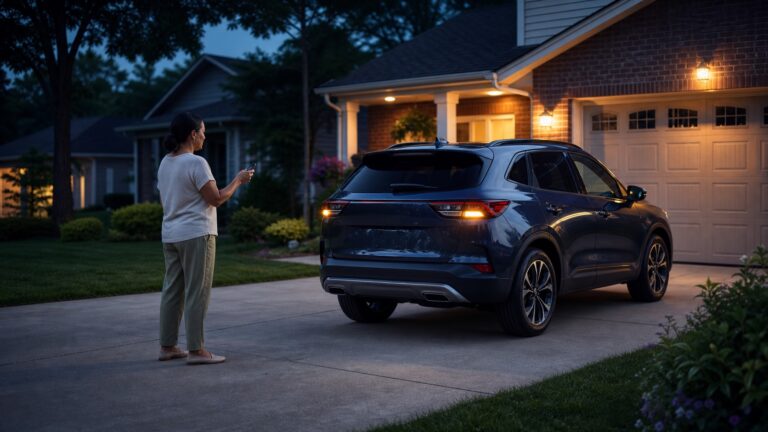
Back-to-school season brings earlier alarms, crowded parking lots, changing schedules, and—for many Michigan families—a newly licensed driver handling the school commute.
That makes August a smart time for two conversations: one about safe-driving expectations and another about whether the household’s auto policy accurately reflects who drives each vehicle, where the vehicles are kept, and how they are used.
Michigan Teen Drivers Face Extra Cellphone Restrictions
Michigan’s hands-free law generally prohibits drivers from holding or manually using a phone or other mobile electronic device while operating a vehicle, including while stopped at a light or in traffic. Emergency exceptions apply.
Level 1 and Level 2 graduated-license holders also fall under Kelsey’s Law. Michigan State Police explains that these young drivers face additional restrictions on cellphone use, including certain voice-operated communication. Families should review the current rules together and make “phone away before the car moves” the default routine.
A Safer School-Commute Routine
Michigan’s Office of Highway Safety Planning notes that teen drivers have a higher crash rate than adult drivers and recommends active parent supervision, written household rules, and leading by example. A practical pre-drive routine can include:
- Set navigation and music before shifting out of park.
- Silence notifications and place the phone out of reach.
- Require seat belts for every occupant on every trip.
- Leave extra time so a late start does not become speeding.
- Limit distracting passenger activity and keep music at a reasonable level.
- Pull over and park legally before handling a non-emergency call, text, or navigation change.
A parent-teen driving agreement can make expectations about passengers, nighttime driving, weather, fuel, and consequences clear before a stressful situation occurs.
Tell the Insurance Agent About New Drivers and New Routines
Do not wait for a claim to find out that the policy information is incomplete. When a teenager becomes licensed or begins regularly driving a household vehicle, contact the agent or insurer and provide accurate information.
Michigan DIFS advises consumers shopping for auto insurance to be prepared with the names of household members, driver-license information, vehicle details, garaging address, driving history, and how each vehicle is used. The appropriate policy setup and premium depend on the household’s actual circumstances and the insurer’s filed rules.
Review the Coverage, Not Just the Price
Adding a young driver can change the cost of insurance, but price is only one part of the review. Ask the agent to explain:
- Which drivers and vehicles are listed on the declarations page.
- Liability limits and available options.
- Collision and comprehensive deductibles.
- How roadside assistance or rental reimbursement works, if purchased.
- Which driver-training, good-student, telematics, or multi-policy discounts may be available and what each requires.
Discounts and eligibility vary by insurer. Never misstate where a vehicle is kept, who regularly drives it, or how it is used in an effort to lower the premium.
Choose the Vehicle With Safety in Mind
Michigan State Police encourages families to choose vehicles for safety rather than image. Before assigning or buying a car for a teen, review current crash-test and recall information, confirm that safety equipment is working, and make sure tires, brakes, lights, and fluids are maintained.
Start the School Year With a Coverage Check
Tucker Insurance Agency can help Southeast Michigan families update household-driver information, review deductibles and limits, and compare available auto insurance options for a new school-year routine.
Before the first solo school commute, call Tucker Insurance Agency at 734-697-5544 or request a quote online. It costs nothing to compare.
This article provides general information, not legal advice or a coverage determination. Laws can change, and insurance coverage depends on the facts of a loss and the applicable policy’s terms, limits, deductibles, conditions, and exclusions.